Show notes
My family travels 2,000 miles from Oklahoma to California to witness the drought that's taken hold of the American Southwest and California—and to get closer as a family.
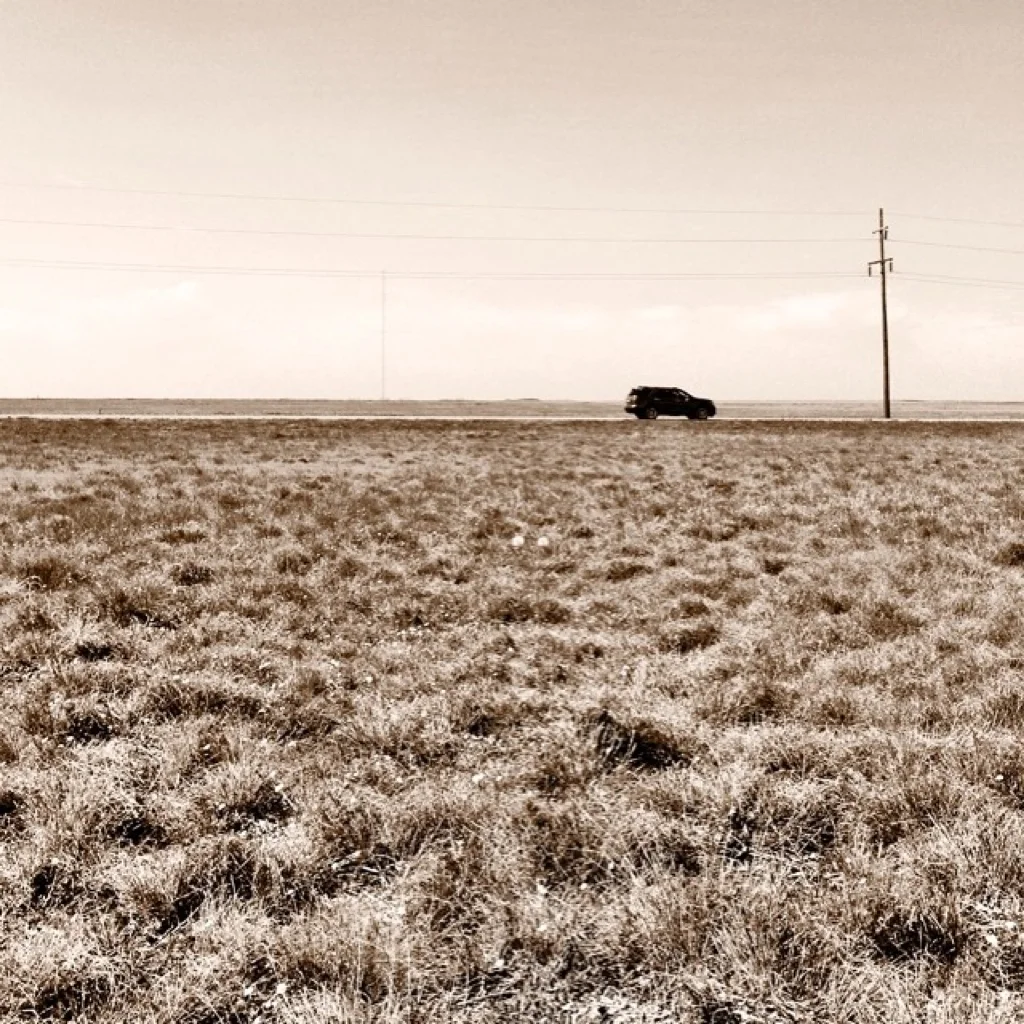

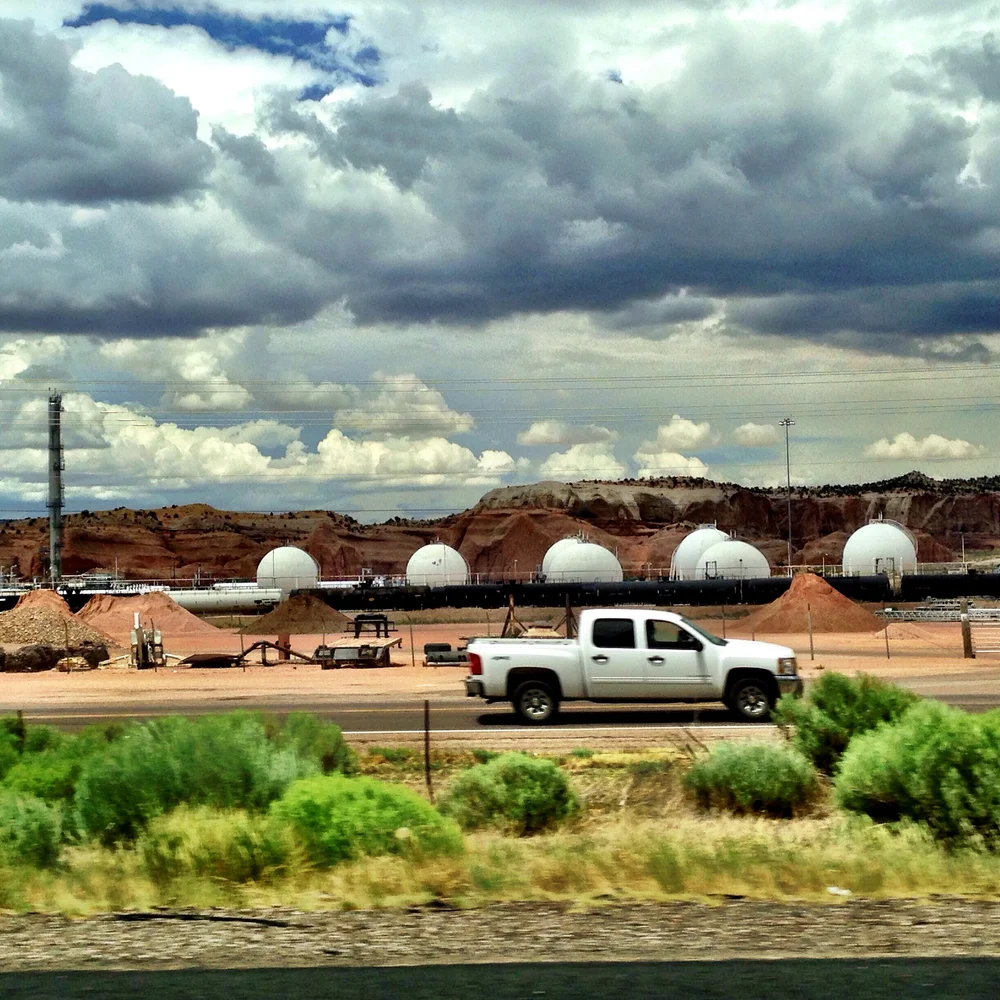


My family travels 2,000 miles from Oklahoma to California to witness the drought that's taken hold of the American Southwest and California—and to get closer as a family.
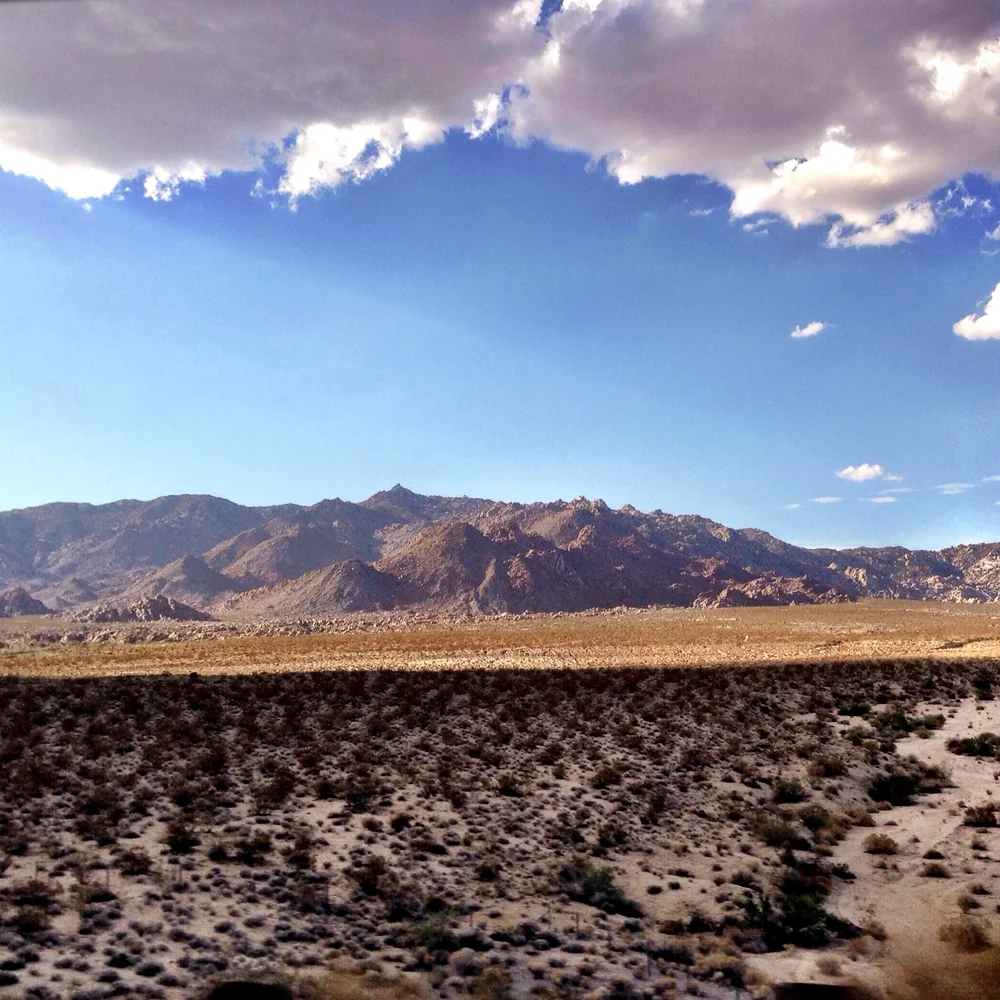
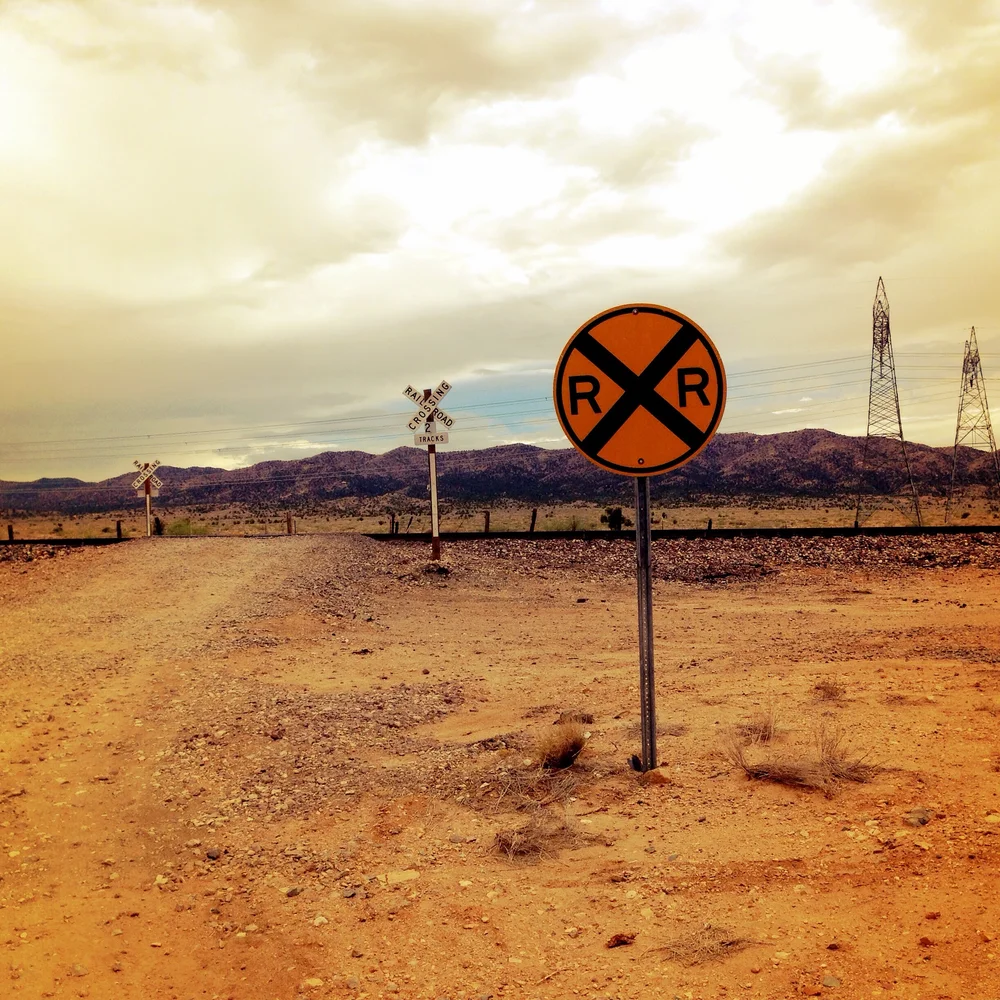
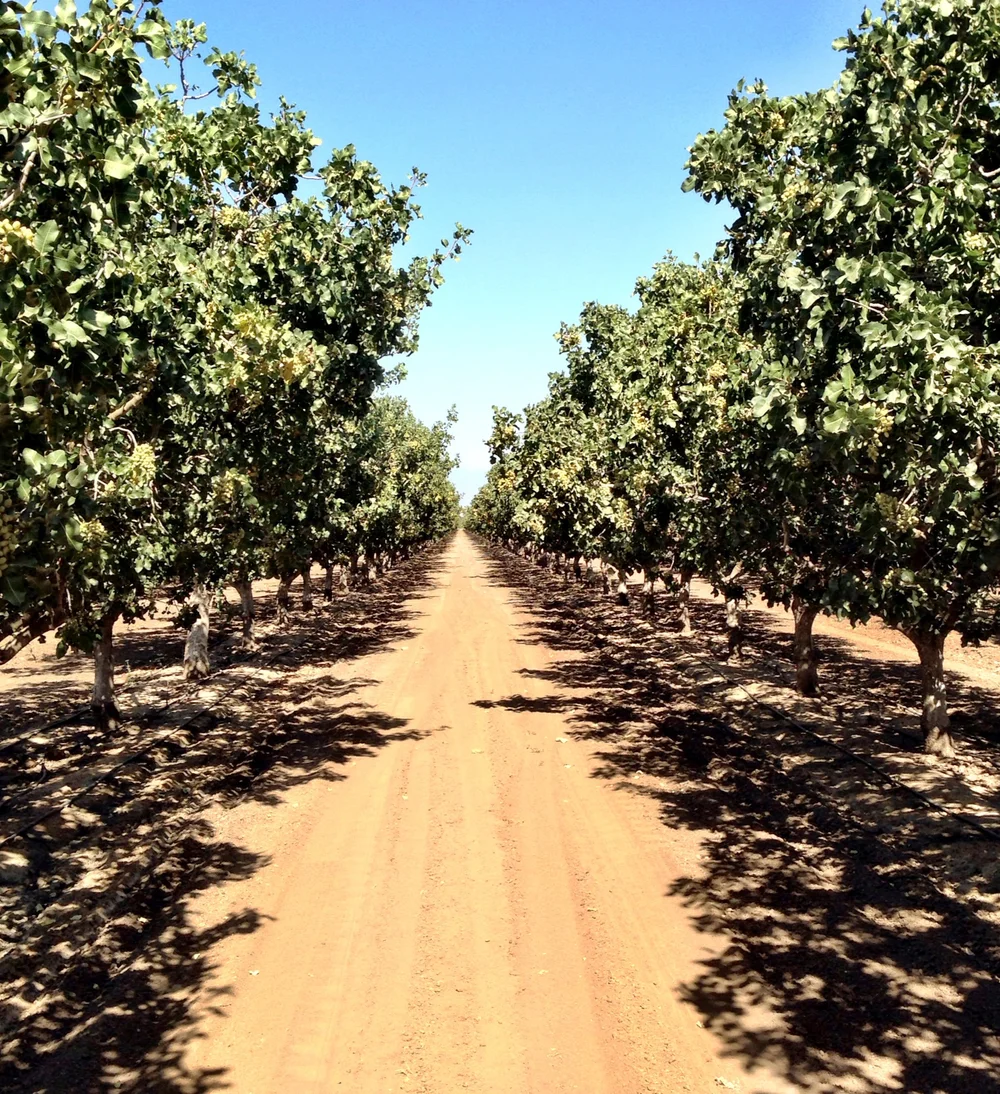
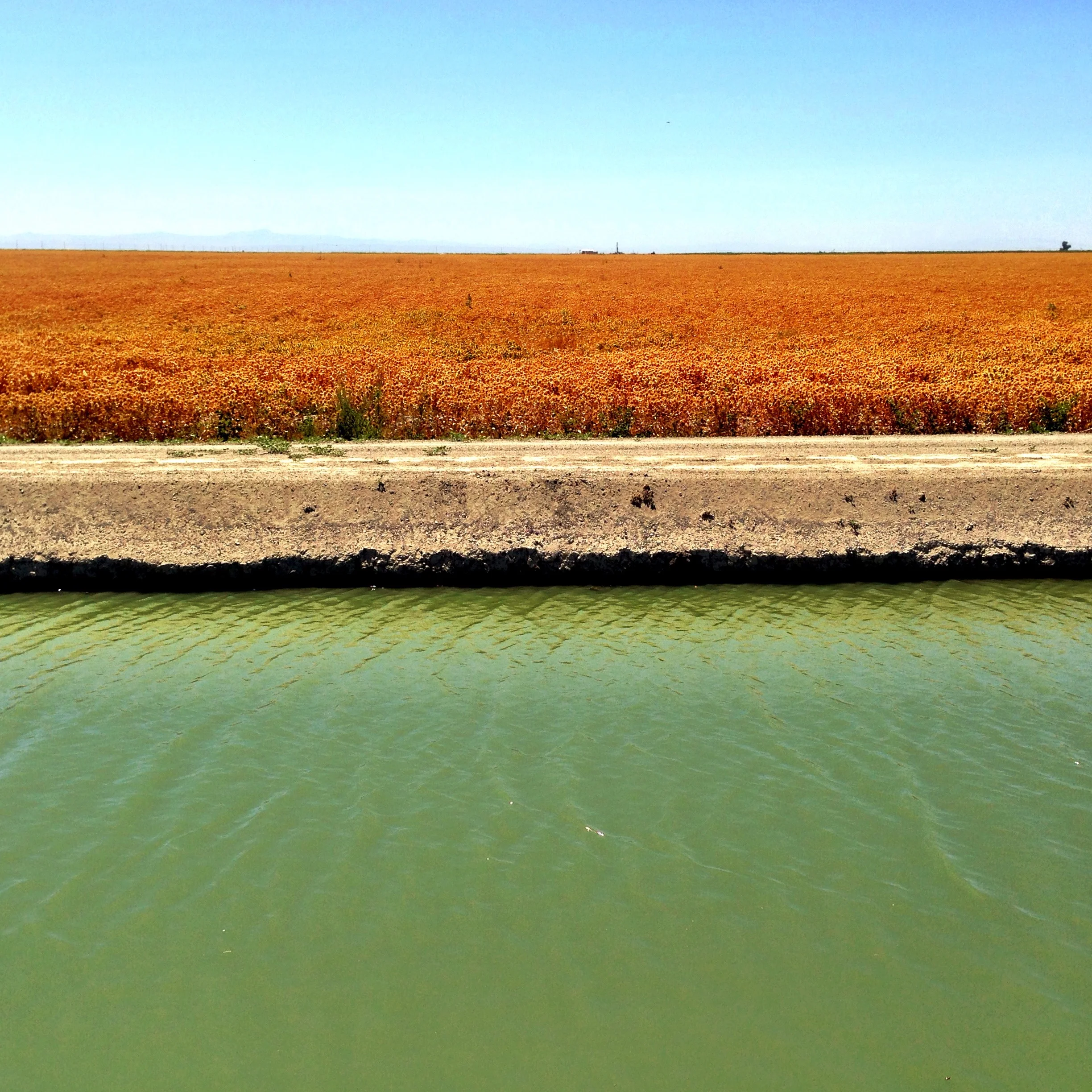
Any parent of a teenager can get wistful about what’s been lost. When they were younger, they drove you round the bend with all their need. Now they don’t need you and it’s not like you want them to—but there’s a closeness that is lost. At 16, my son Miro spent a lot of time in his room listening to music, and when he came out I usually pounced on him with questions and reminders. I didn't like the pattern we’d fallen into.
Part of the reason I'd quit my job was that I wanted to try to regain some of the intimacy that had slipped away while I’d been so focused on work, and he’d grown into a teenager all of a sudden. But was that still possible? To find out, my family of three did what so many Americans do when they’re looking for answers: We took a road trip out West. We drove from Oklahoma to California—retracing the journey taken by the Joad family in the Grapes of Wrath.
This podcast is the story of that trip, told in 4 chapters for each state we passed through. It’s the story of the people and places we encounter over the course of a 2,000-mile trek across the southwest—which happens to be in the midst of an historic drought. But like any road trip story, it’s also about other things, about love and attachment, and how learning to tell the difference can transform relationships—can transform us.
Check out my three-part article for National Geographic.
Part One: On the 'Grapes of Wrath' Trail, the Dust Bowl Still Resonates
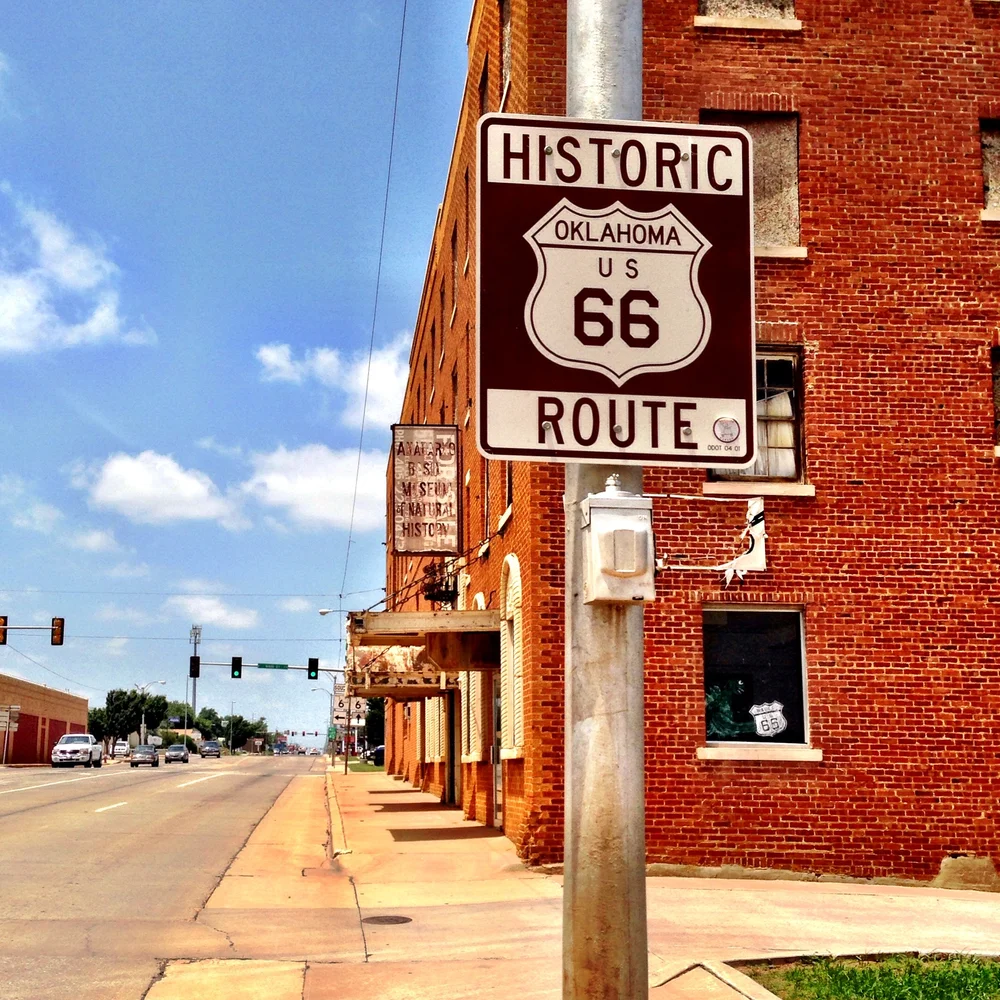
Part Two: Rediscovering Route 66, America's Mother 'Road'
Part Three: A Visit to the Migrant Camp of Weedpatch During California's Worst Drought in History
The people behind the Mother Road Trip:
image-slide-anchor js-gallery-lightbox-opener content-fit " > View fullsize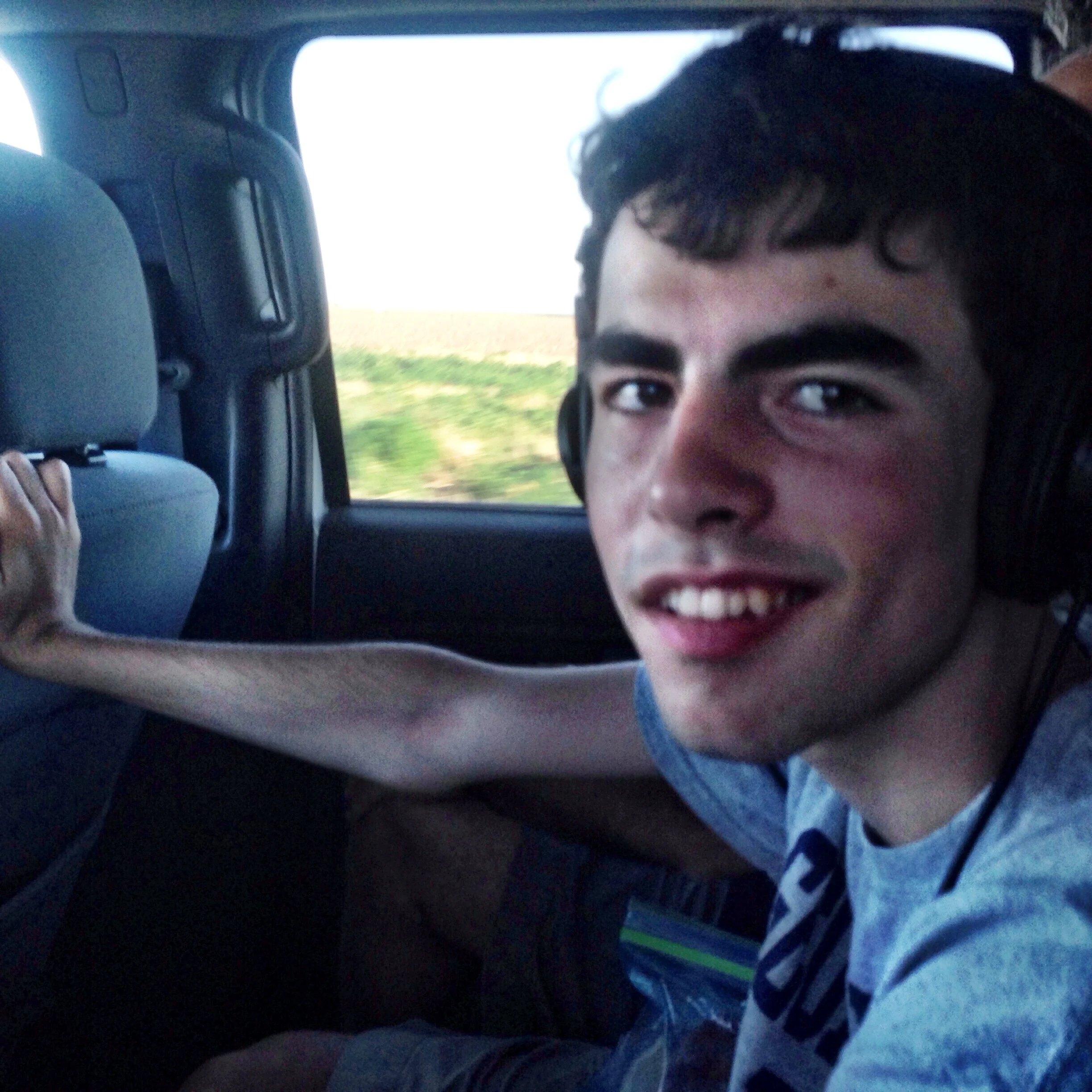
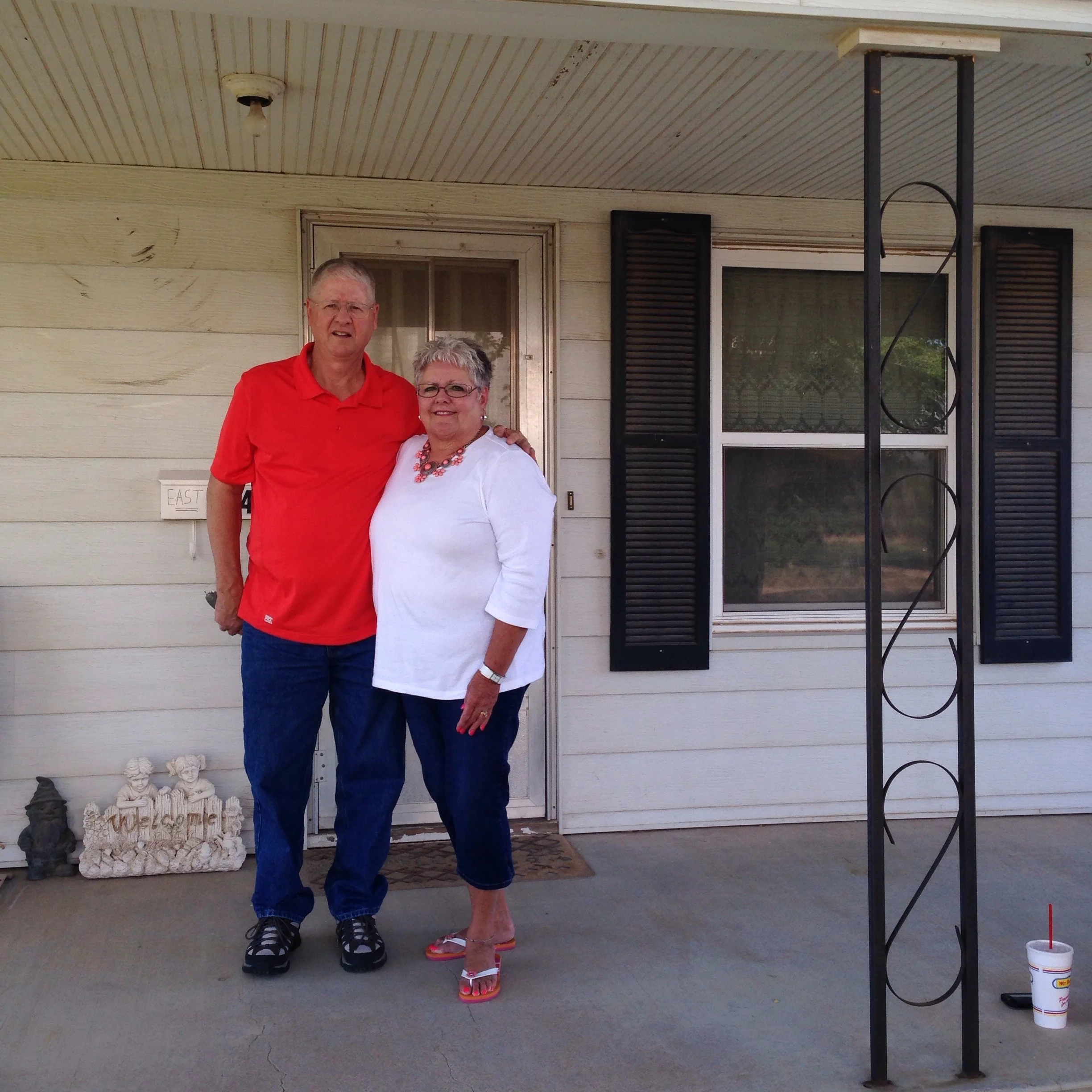
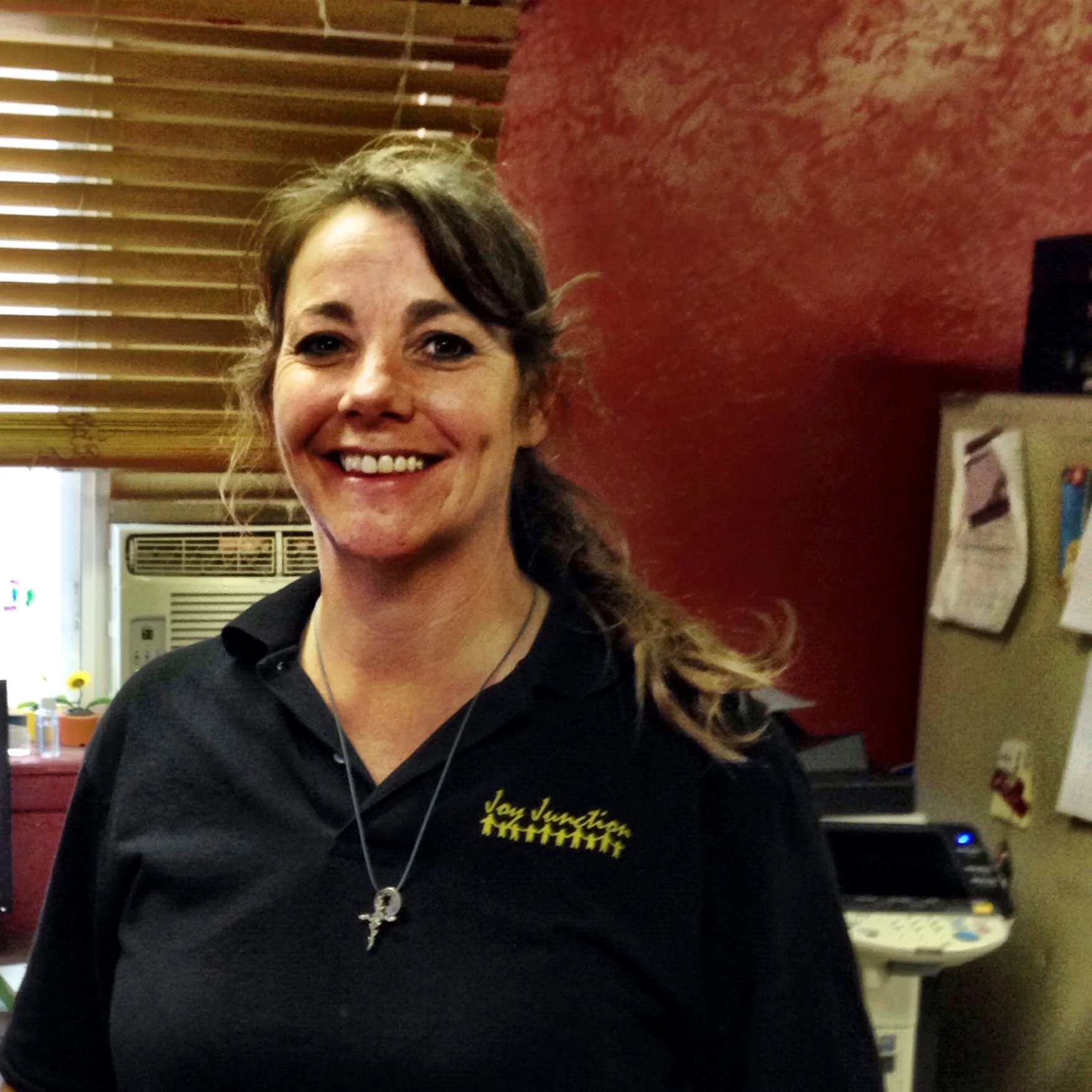
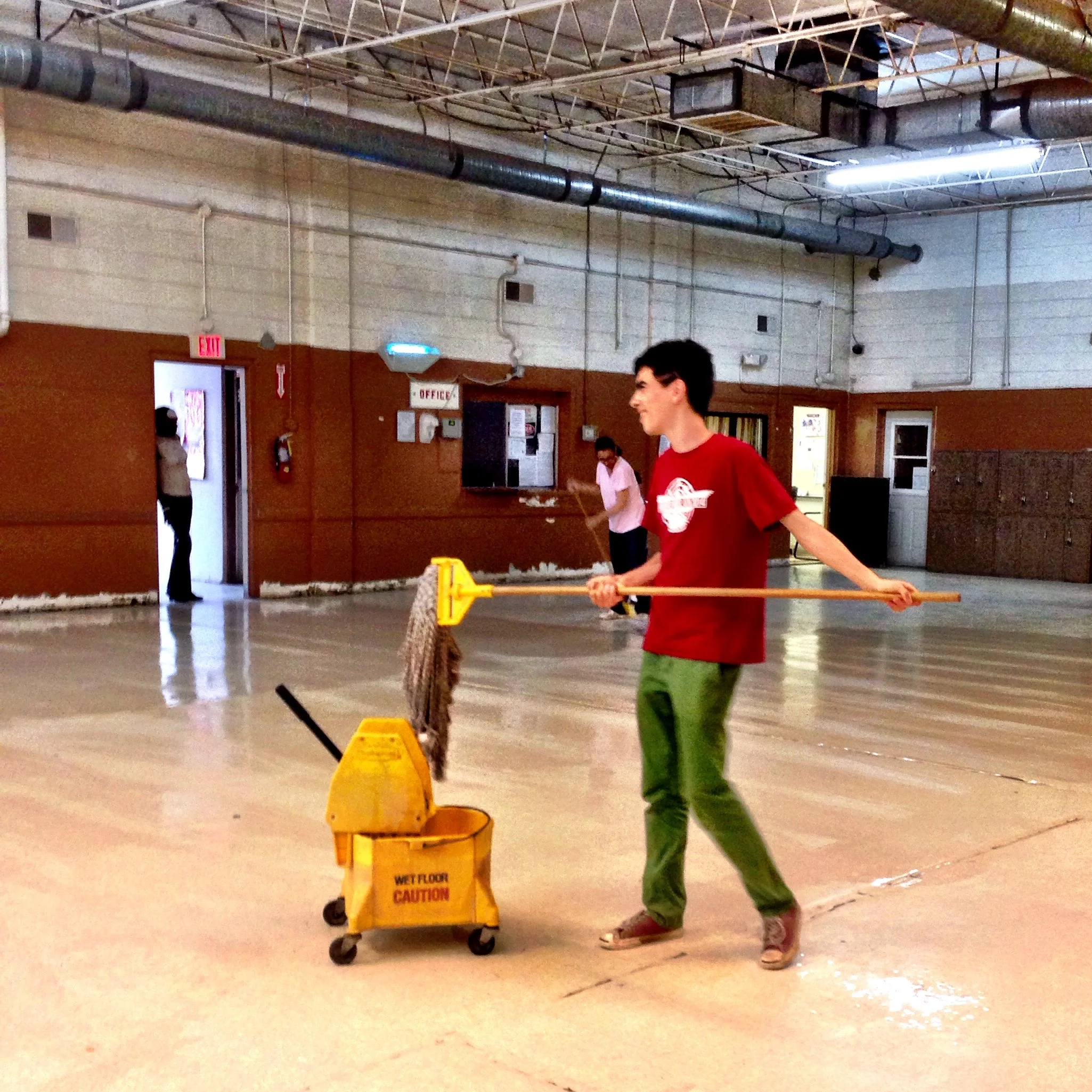
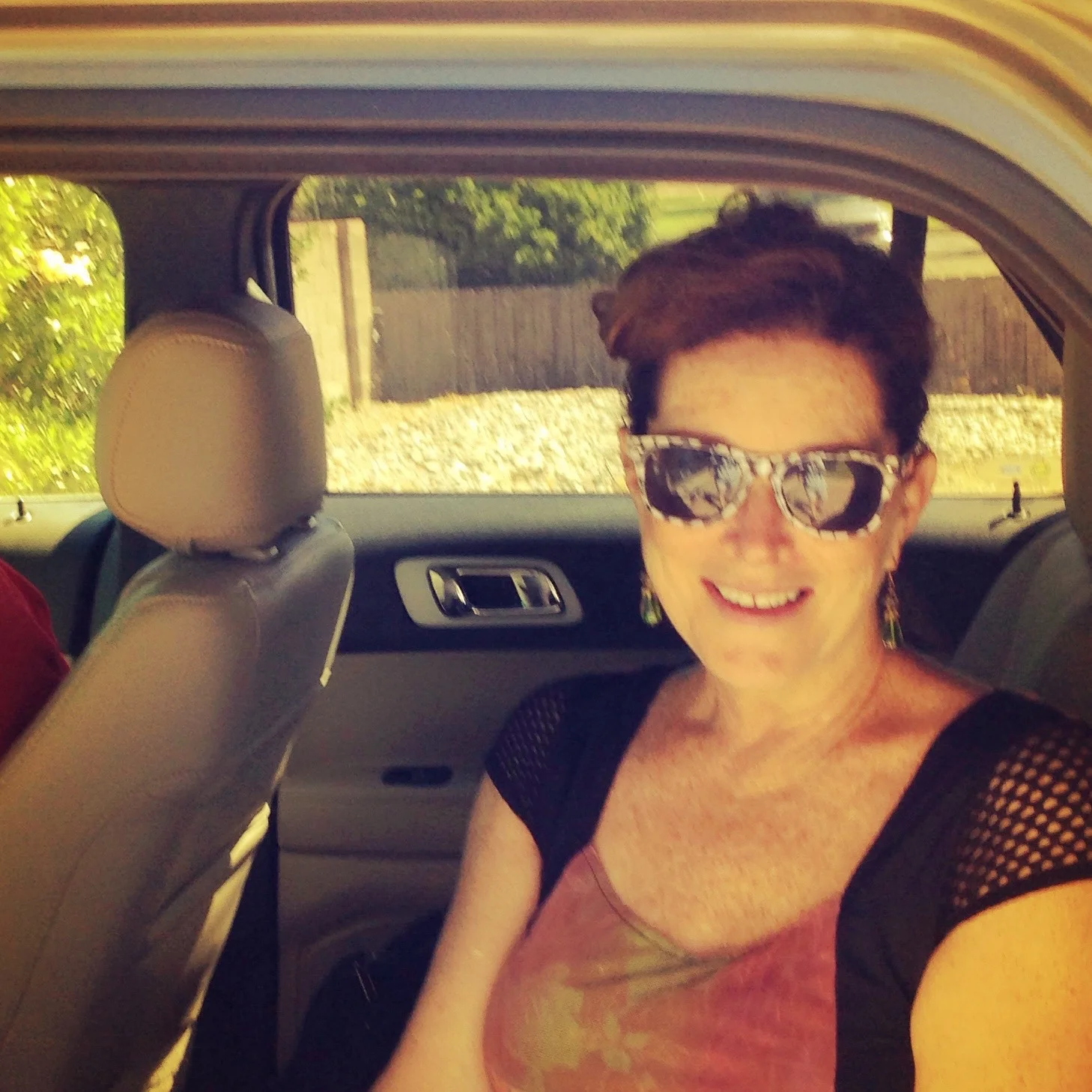
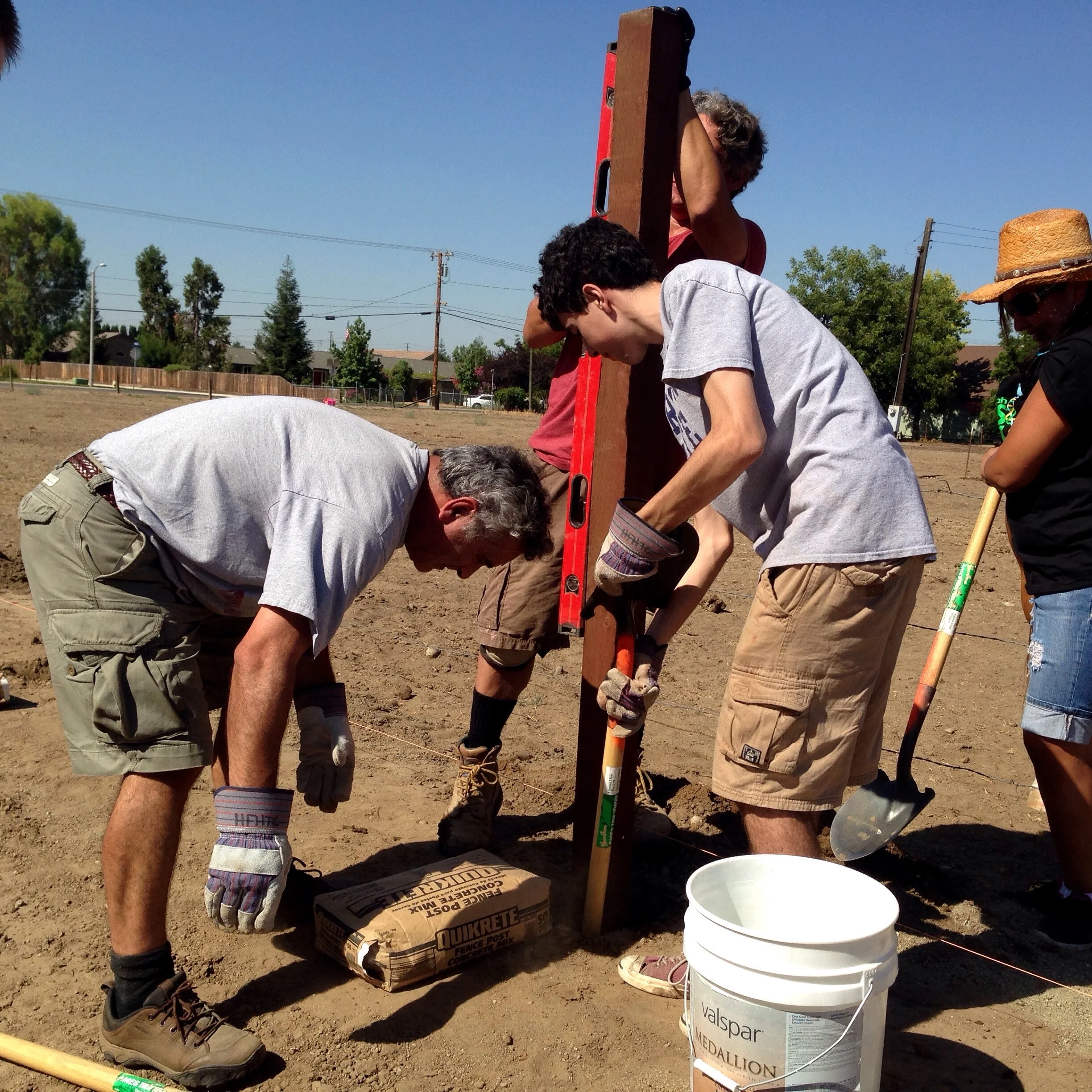
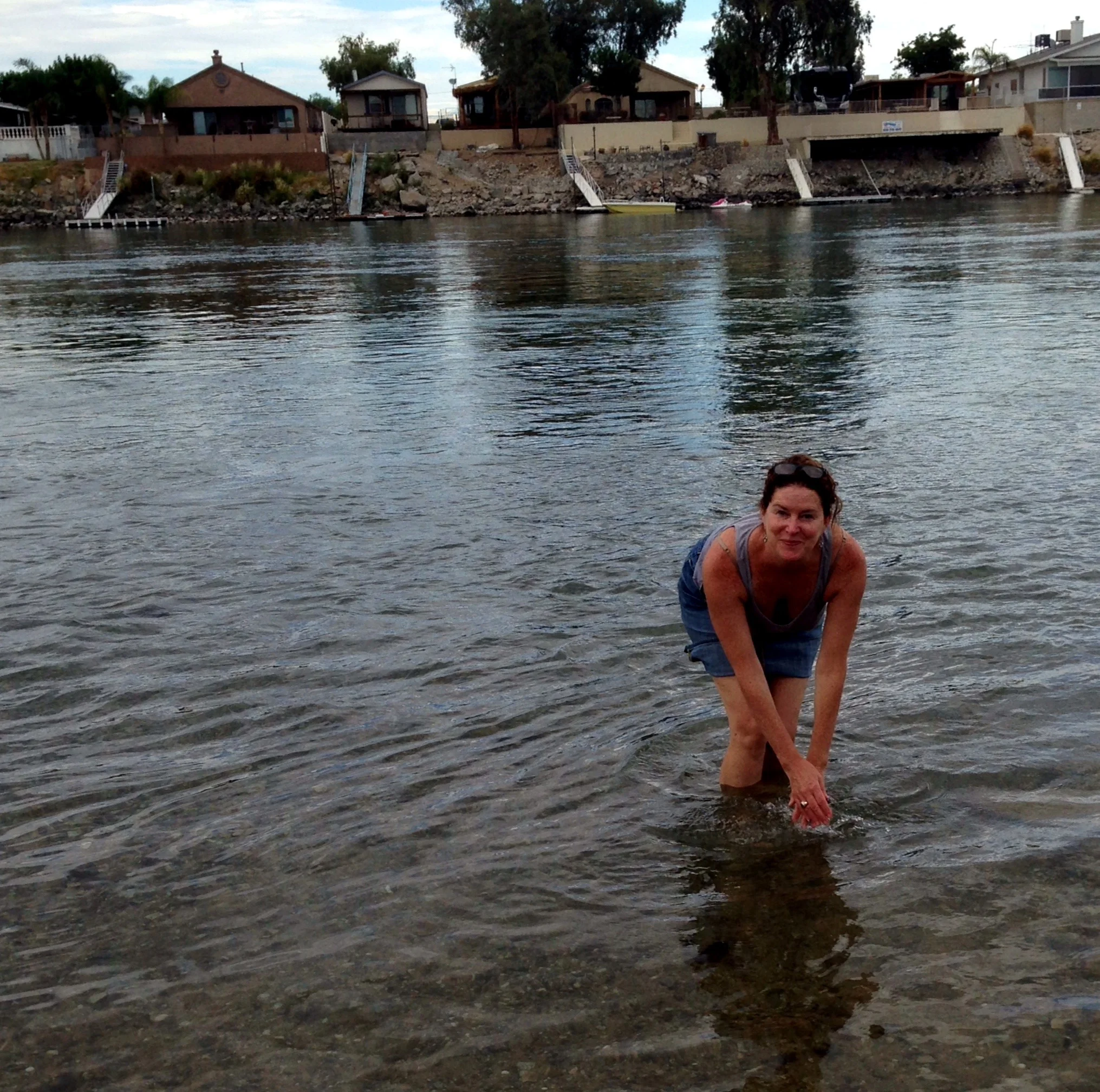

From Top Left: Miro recording sound in Hooker, Oklahoma; Tom and Patsy Fischer outside Patsy's mother's house in Hooker; Diana Peterson Lane at the Joy Junction Homeless Shelter in Albuquerque; Miro mopping up after a volunteer session at Joy Junction; Barbara outside David Newton's house in Albuquerque; Miro and Teo dig holes to build a fence in Portersville, CA; Barbara wades in the Colorado River in Needles, CA; Carla Eggman is an orange farmer whose son has returned to Oklahoma in what she calls a "reverse migration."
“Midway in the journey of our life
I came to myself in a dark wood,
for the straightforward path had been lost.”